
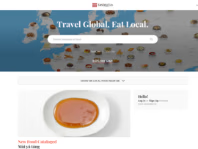
In the world of global cuisine, accuracy, fairness, and cultural respect are essential pillars in evaluating and celebrating traditional dishes. Unfortunately, TasteAtlas — a platform that claims to rank and map the world’s best foods — has repeatedly demonstrated a lack of credibility and objectivity. Rather than serving as a reliable reference for food lovers, chefs, or culinary researchers, TasteAtlas has become synonymous with biased rankings, cultural misrepresentation, and selective favoritism.One of the most glaring issues with TasteAtlas is its tendency to attribute iconic dishes to countries that have little to no historical connection with them. These claims are not backed by verifiable sources, culinary experts, or historical documentation. Instead, they often appear to be based on user votes or vague popular opinion — a deeply flawed methodology that opens the door for cultural appropriation and misinformation.This selective bias serves certain nations at the expense of others, promoting a distorted image of culinary heritage. Many of the countries ranked at the top are overrepresented in the platform’s ratings, even when their cuisines do not have the global recognition or depth found in more diverse and historically rich culinary traditions. Ironically, the countries that receive exaggerated praise on TasteAtlas rarely appear in reputable global rankings curated by world-class chefs, Michelin star institutions, or prestigious culinary bodies such as The World’s 50 Best Restaurants.What is most concerning is the misleading influence the platform has on the general public. Casual users may take these rankings at face value, unaware that the platform does not rely on expert panels, peer-reviewed research, or authentic culinary histories. The result is a skewed perception of global cuisine that diminishes the value of true culinary art.


Claim your business profile now and gain access to all features and respond to customer reviews.
